
How to Build Self-discipline When Motivation Fails
I was hunched over my laptop at 2:00 AM, the blue light stinging my eyes and a half-eaten, lukewarm kale smoothie sitting forgotten beside me, when it finally hit me: I was doing everything “right” according to the productivity gurus, yet I felt completely out of control. I had the most expensive habit-tracking apps, a color-coded digital calendar, and enough caffeine to power a small city, but I still couldn’t stay consistent. We’ve been sold this lie that learning how to be more disciplined is about sheer willpower or punishing yourself into submission, but let me tell you, that approach is a one-way ticket to burnout.
In this post, I’m stripping away the toxic “hustle culture” nonsense and getting real about what actually works. I want to share how I finally bridged the gap between my nutritional science background and my tech-driven workflow to create a system that actually sticks. You aren’t going to find any generic, “just do it” platitudes here; instead, I’m offering a practical roadmap that integrates mindful eating, smart tech integration, and genuine self-care. We’re going to figure out how to build a life of intention, not just a life of endless to-do lists.
Table of Contents
Developing Willpower and Self Control Through Mindful Rituals
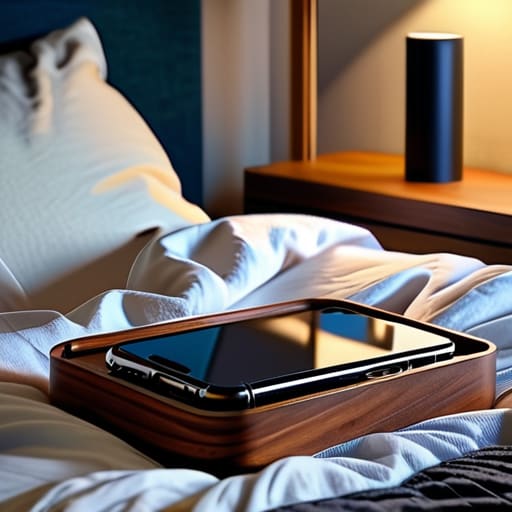
I used to think willpower was this infinite well of strength I could just tap into whenever I felt motivated. But after years of juggling startup deadlines and my nutritional research, I’ve realized that willpower is much more like a muscle—it fatigues if you overwork it without rest. Instead of relying on sheer grit, I’ve leaned into developing willpower and self-control through small, intentional rituals. For me, this looks like a “digital sunset” at 8:00 PM. By putting my phone in a charging station away from my bed, I’m not just resisting the urge to scroll; I’m proactively protecting my sleep hygiene.
These tiny, repeatable actions are actually powerful habit formation techniques that take the decision-making fatigue out of my day. When I integrate a morning ritual—like sipping a warm turmeric tonic while reviewing my top three priorities—I’m setting a tone of intentionality. It’s not about being a drill sergeant to yourself; it’s about creating a gentle scaffolding that supports your best self. When your environment and your routines work with you rather than against you, discipline stops feeling like a chore and starts feeling like a lifestyle.
Goal Setting and Consistency in Your Digital Age
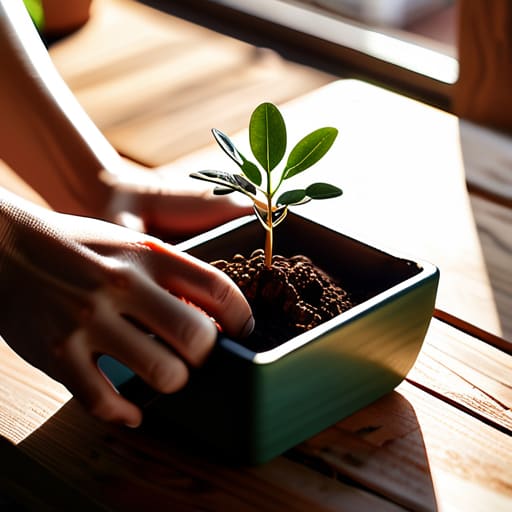
We’ve all been there: it’s 11 PM on a Sunday, and you’re feeling incredibly inspired, mapping out a massive, life-changing vision for the week ahead. But by Tuesday afternoon, that momentum has vanished into a black hole of endless scrolling and notification pings. The reality is that goal setting and consistency aren’t about the grandiosity of your vision; they are about the architecture of your daily life. In my experience building tech tools, I’ve realized that we often set goals for our “ideal selves” rather than our actual, human selves. To bridge that gap, we have to stop treating goals like mountain peaks we occasionally visit and start treating them like the soil in my urban garden—something that needs constant, small, and intentional tending.
This is where leveraging technology becomes a game-changer rather than a distraction. Instead of fighting the digital tide, use it to implement effective habit formation techniques. I love using minimalist task managers that nudge me toward my intentions without the sensory overload. By breaking those intimidating long-term goals into tiny, digestible micro-tasks, you lower the barrier to entry and make it much harder for procrastination to take root. It’s about creating a seamless loop between your digital tools and your physical actions.
My Toolkit for Staying on Track Without the Burnout
- Audit Your Digital Environment to Protect Your Focus. We often blame our lack of discipline on a lack of willpower, but let’s be real—it’s usually our notifications. I’ve learned that discipline is much easier when you use your tech to guard your time rather than steal it. Try setting “Focus Modes” on your phone or using website blockers during your deep-work blocks. If the distraction isn’t there to begin with, you don’t have to fight the urge to click it.
- Master the Art of “Micro-Habits” for Sustainable Momentum. I used to think discipline meant making massive, sweeping changes overnight, but that’s the fastest way to crash. Instead, I focus on tiny, almost embarrassingly easy wins. Want to start exercising? Commit to five minutes of yoga. Want to eat better? Just add one handful of greens to your lunch. These small victories build the “discipline muscle” without triggering your brain’s natural resistance to change.
- Fuel Your Brain with Intentional Nutrition. This might sound like a detour, but you cannot expect mental discipline if your blood sugar is crashing every afternoon. I’ve seen firsthand how a lunch heavy on processed carbs can lead to a total afternoon slump where productivity goes to die. I always suggest pairing complex carbs with healthy fats and proteins—think of it as providing the steady, high-quality fuel your brain needs to maintain executive function.
- Use “Time-Blocking” to Remove Decision Fatigue. One of the biggest enemies of discipline is waking up and wondering, “What should I do first?” That decision-making process drains your mental energy before you even start working. I love using my digital calendar to block out specific chunks of time for specific tasks. When the time comes, the decision is already made for you, allowing you to slide straight into a flow state.
- Schedule Rest as a Non-Negotiable Discipline. This is the one people always get wrong: they think discipline means constant grinding. But true discipline is knowing when to step away. If you don’t intentionally schedule downtime and self-care, your body will eventually pick a time to crash for you—and it’ll likely be at the worst possible moment. Think of rest not as a reward for being productive, but as a fundamental requirement for staying disciplined.
Quick Wins for Your Discipline Toolkit
View discipline as a form of self-care rather than a chore; when you treat your goals with kindness instead of strictness, you’re much less likely to burn out.
Audit your digital environment to ensure your tech is working for you, not against you—use those productivity apps to automate the small stuff so your willpower is saved for the big things.
Small, consistent wins are the secret sauce; whether it’s a five-minute morning ritual or prepping a nutrient-dense snack, these tiny moments of intention build the momentum you need for long-term change.
Discipline is a Form of Self-Love
“True discipline isn’t about white-knuckling your way through a grueling to-do list; it’s about designing a life where your tech serves your focus, your food fuels your energy, and your habits act as a gentle, steady compass leading you back to yourself.”
Olivia Peterson
Finding Your Rhythm
As we wrap this up, I want you to remember that discipline isn’t a destination you suddenly reach; it’s a continuous practice of aligning your intentions with your actions. We’ve talked about how mindful rituals can strengthen your willpower, how to set goals that actually survive the distractions of our digital lives, and how to stay consistent without burning out. It’s about that sweet spot where your tech works for you rather than against you, and where your daily habits—from the food you eat to the way you manage your notifications—all serve your higher purpose. Remember, the goal isn’t perfection, but rather intentionality in every small choice you make throughout the day.
If you’re feeling a little overwhelmed right now, please know that I’ve been there too—staring at a mountain of tasks while my focus feels like it’s slipping through my fingers. But progress isn’t linear, and some days will feel much harder than others. Be kind to yourself on the off days, grab a nutrient-dense snack, and just start again tomorrow. You have the tools, the technology, and the inner strength to build a life that feels both productive and deeply nourishing. You’ve got this, and I am rooting for you every single step of the way!
Frequently Asked Questions
How can I stay disciplined with my nutrition when my work schedule gets chaotic and I'm tempted to rely on quick, unhealthy tech-driven delivery apps?
I’ve been there—staring at a delivery app at 8 PM, ready to hit “order” on something greasy just because I’m exhausted. My trick? I use tech to fight tech. I set “meal prep” reminders in my calendar like they’re non-negotiable meetings, and I keep my urban garden herbs nearby to make quick, healthy bowls feel gourmet. It’s about reducing friction; if the healthy choice is the easiest one to grab, you’ll actually choose it.
Are there specific productivity apps that actually help build long-term discipline rather than just becoming another source of digital distraction?
Oh, I’ve been there! It’s so easy to download a “productivity” app only to find yourself mindlessly scrolling through its settings instead of actually working. For me, it’s all about tools that enforce boundaries. I swear by Forest—it turns focus into a little game where you grow digital trees, which keeps me off my phone. I also love using Notion for structured habit tracking; it turns my discipline into a visual journey rather than a chore.
How do I find the balance between being strictly disciplined with my routines and still leaving room for the self-care and spontaneity needed to prevent burnout?
Think of discipline as the framework, not the cage. I like to use “flexible boundaries”—I schedule my deep-work blocks and meal prep, but I leave “white space” in my digital calendar for spontaneous walks or an extra hour of reading. If I’m too rigid, I crash; if I’m too loose, I drift. Use tech to automate the mundane stuff so you actually have the mental bandwidth to say “yes” to a sudden sunset stroll.