
How to Cook Great Meals on a Tight Budget
I still remember sitting on my floor in my first tiny apartment, staring at a grocery receipt that felt more like a ransom note than a list of nutrients. I had this romanticized idea that eating well required organic microgreens and expensive superfoods, but my bank account was screaming a very different reality. It’s incredibly frustrating how the “wellness” industry often makes you feel like you have to choose between your financial stability and your physical health. I’m here to tell you that the myth of the expensive, gourmet lifestyle is exactly what keeps people from finding their rhythm. Learning how to cook on a budget isn’t about deprivation or eating bland, sad meals; it’s about strategic nourishment.
In this guide, I’m stripping away the fluff and the overpriced “health hacks” to give you a blueprint that actually works for a busy, modern life. We’re going to dive into how you can leverage smart kitchen tech, seasonal ingredients from your own windowsill, and efficient meal-planning systems to fuel your body without draining your savings. I promise to share only the tried-and-true methods that helped me bridge the gap between nutritional science and real-world economics, so you can finally achieve that beautiful, harmonious balance we all crave.
Table of Contents
- Mastering Meal Planning for Savings and Mindful Living
- Curating Low Cost Pantry Staples for a Harmonious Kitchen
- Smart Strategies to Keep Your Kitchen Nourishing and Your Wallet Happy
- Small Shifts for a More Balanced Plate and Wallet
- The Heart of Mindful Budgeting
- Finding Your Rhythm in the Kitchen
- Frequently Asked Questions
Mastering Meal Planning for Savings and Mindful Living
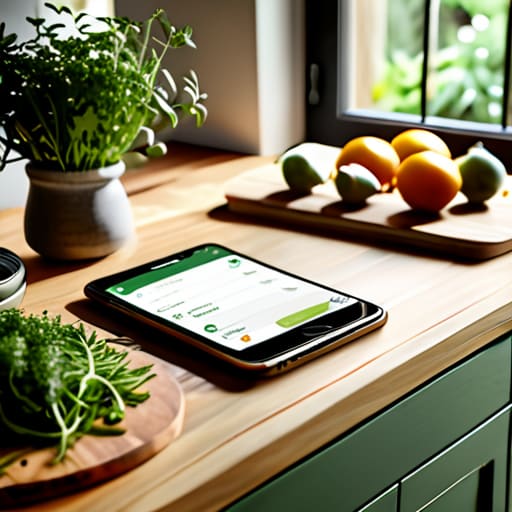
I’ve always found that the secret to a stress-free week isn’t found in a complex cookbook, but in a solid Sunday ritual. For me, effective meal planning for savings starts with a quick audit of what’s already in my herb garden and my cupboards. I love using a simple task-management app to sync my meal ideas with my digital grocery list; it keeps me from those dreaded, expensive impulse buys at the store. By mapping out my week ahead of time, I’m not just saving money, I’m actually creating mental space to breathe.
Once you have your plan, the real magic happens when you lean into low cost pantry staples like lentils, quinoa, and canned chickpeas. I often use my weekend to experiment with bulk cooking strategies, prepping a large batch of a versatile veggie chili or a hearty grain bowl that can be easily tweaked throughout the week. This approach keeps my nutrition high and my decision fatigue low. It’s about working smarter, not harder, ensuring that every dollar spent is an investment in both my health and my peace of mind.
Curating Low Cost Pantry Staples for a Harmonious Kitchen
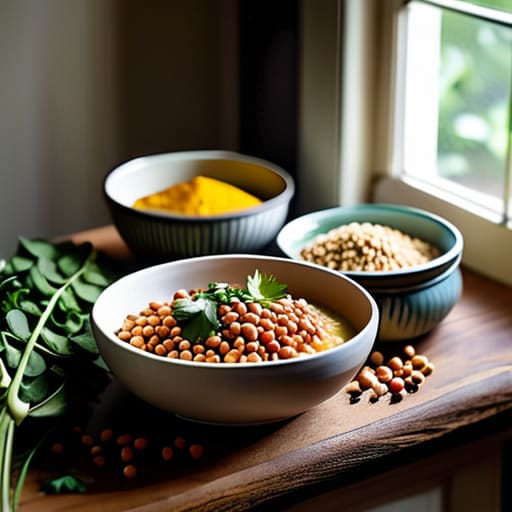
Think of your pantry as the “operating system” of your kitchen; when it’s well-optimized, everything else runs so much smoother. I’ve found that the secret to staying consistent with my wellness goals isn’t about buying expensive superfoods every week, but rather investing in low cost pantry staples that serve as versatile building blocks. I’m talking about the heavy lifters: dried lentils, quinoa, canned chickpeas, and whole grains. Last week, I found myself staring at a half-empty cupboard, but because I had a stash of red lentils and coconut milk, I was able to whip up a comforting, protein-packed dal in twenty minutes. It felt like a win for both my schedule and my bank account.
To really master this, I love leaning into bulk cooking strategies by buying larger quantities of these shelf-stable essentials when they’re on sale. It’s a bit like upgrading your tech hardware—it requires a little more upfront investment, but the long-term efficiency is unmatched. By keeping these foundational items on hand, you’re not just grocery shopping on a budget; you’re actually building a safety net that allows you to cook nourishing, intentional meals even on your most chaotic, high-productivity days.
Smart Strategies to Keep Your Kitchen Nourishing and Your Wallet Happy
- Embrace the “Tech-Assisted Inventory” method—I use a simple shared app on my phone to track what’s actually in my fridge before I even step foot in the grocery store, which prevents those accidental double-buys of expensive organic kale.
- Lean into the magic of plant-based proteins like lentils and chickpeas; they are incredibly budget-friendly, and I love experimenting with them in my urban garden-inspired bowls to add texture and fiber without the heavy price tag of meat.
- Shop the seasonal rhythm of your local market—buying produce that’s in peak season isn’t just better for the planet, it’s significantly cheaper and tastes infinitely more vibrant than out-of-season imports.
- Master the art of “Component Cooking” rather than rigid meal prepping; instead of making five identical containers, prep versatile bases like a big batch of quinoa or roasted veggies so you can pivot your meals based on your mood and energy levels.
- Don’t underestimate the power of “Scrap Cooking”—I’ve learned to turn veggie scraps into a nutrient-dense bone or vegetable broth, which feels like a little win for both my wellness routine and my monthly budget.
Small Shifts for a More Balanced Plate and Wallet
Use smart kitchen tech and simple digital lists to bridge the gap between your meal plan and your grocery run, reducing that end-of-week “what’s for dinner” stress.
View budget-friendly ingredients like lentils and seasonal greens not as sacrifices, but as intentional, nutrient-dense building blocks for your wellness journey.
Treat mindful grocery shopping as a form of self-care by focusing on quality over quantity, ensuring every cent spent nourishes both your body and your peace of mind.
The Heart of Mindful Budgeting
“Cooking on a budget isn’t about restriction or settling for less; it’s about using a little bit of kitchen strategy and mindful intention to turn simple, affordable ingredients into fuel that nourishes both your body and your peace of mind.”
Olivia Peterson
Finding Your Rhythm in the Kitchen
As we wrap up this journey of mindful budgeting, I hope you see that saving money doesn’t have to mean sacrificing the quality of your life or the joy of a delicious meal. By mastering the art of strategic meal planning and building a foundation of versatile, low-cost pantry staples, you aren’t just cutting costs—you are actually reclaiming your time and mental energy. Think of these shifts as small, intentional upgrades to your daily operating system. When you use smart kitchen habits to streamline your cooking, you create more space for what truly matters, turning your kitchen from a place of stress into a sanctuary of efficiency and nourishment.
Ultimately, cooking on a budget is less about restriction and more about the beautiful dance of intentionality. It’s about choosing ingredients that fuel your body while respecting your financial boundaries, much like how I try to balance my love for high-tech productivity tools with the grounded, earthy reality of my urban garden. Don’t feel like you have to overhaul your entire life overnight; just pick one small habit, maybe a new pantry staple or a Sunday planning session, and see how it feels. You deserve a life that is both abundant and sustainable, and I am so excited to see you cultivate that harmony one delicious, budget-friendly bite at a time.
Frequently Asked Questions
How can I use meal planning apps to track my grocery spending without it feeling like another stressful chore?
I totally get it—the last thing we need is more “digital clutter” adding to our mental load. My secret? Don’t treat your app like a strict accountant; treat it like a wellness companion. I love using apps that allow for quick, “one-tap” entries while I’m actually at the store. Set a weekly “budget ritual” for just ten minutes on Sunday to review your trends. It’s about gaining insight, not inducing guilt!
Are there specific ways to use my urban garden or seasonal produce to cut down my grocery bill even further?
Oh, I am so glad you asked! This is where my urban gardening obsession meets my love for mindful eating. To really slash that grocery bill, I lean heavily into seasonality. When it’s peak tomato season, I don’t just eat them; I freeze or even quick-pickle them to stretch that “free” nutrition into the winter months. Even a tiny windowsill herb garden can save you a fortune on those pricey supermarket plastic packs!
How do I balance eating nutrient-dense, high-quality foods when I'm trying to stick to a really tight budget?
I totally get it—the “nutrition vs. budget” tug-of-war is real! I used to think high-quality meant expensive organic labels, but I’ve learned that true nutrient density lives in the basics. Think frozen veggies (they’re often more nutrient-packed than “fresh” ones that have sat on a truck for a week!), bulk lentils, and seasonal produce. Use tech like grocery apps to track unit prices and find those hidden gems. It’s about being strategic, not sacrificial!