
The Soft Skills That Matter More Than Your Degree
I remember sitting in a high-pressure pitch meeting for my first tech startup, my heart racing faster than my caffeine intake, only to realize that my flawless data visualizations and seamless app interface didn’t matter one bit. I had the technical specs down to a science, but I was completely failing to actually connect with the room. It was a humbling, sweaty-palmed realization that all the coding prowess in the world can’t compensate for a lack of emotional intelligence. We often treat soft skills for work like some vague, “fluff” category that you only worry about once you’ve mastered the hard stuff, but in reality, they are the very foundation of a sustainable career.
I’m not here to give you a corporate manual filled with hollow buzzwords or expensive seminars that promise to “transform your leadership style” overnight. Instead, I want to share the practical, human-centric strategies I’ve gathered from years of navigating the intersection of tech and wellness. We’re going to dive into how you can cultivate genuine communication and empathy to protect your energy and build a workflow that feels effortlessly productive rather than draining.
Table of Contents
- Cultivating Emotional Intelligence in the Workplace for Inner Balance
- Nurturing Interpersonal Communication Skills to Foster Meaningful Connectio
- Digital Boundaries and Mindful Presence: My Top 5 Soft Skill Hacks
- Finding Your Flow: Bringing Soft Skills into Harmony
- The Human Element in a Digital World
- Finding Your Flow: The Path Forward
- Frequently Asked Questions
Cultivating Emotional Intelligence in the Workplace for Inner Balance

I’ve always found it fascinating how much our internal state dictates our external success. In my early days of building a startup, I realized that being a tech whiz meant nothing if I couldn’t read the room during a high-stakes meeting. Developing emotional intelligence in the workplace isn’t just a “nice-to-have” corporate buzzword; it is the foundation of your personal peace. When you can recognize your own triggers—much like I notice my energy dipping when I skip my morning turmeric smoothie—you gain the ability to respond rather than react.
This self-awareness naturally flows into how we handle others. Mastering interpersonal communication skills allows you to navigate complex team dynamics without draining your mental battery. Instead of seeing a disagreement as a stressful roadblock, I try to view it as an opportunity to practice active listening and empathy. By treating every interaction as a chance to build connection rather than just “completing a task,” you create a professional environment that feels less like a grind and more like a harmonious ecosystem where everyone can thrive.
Nurturing Interpersonal Communication Skills to Foster Meaningful Connectio
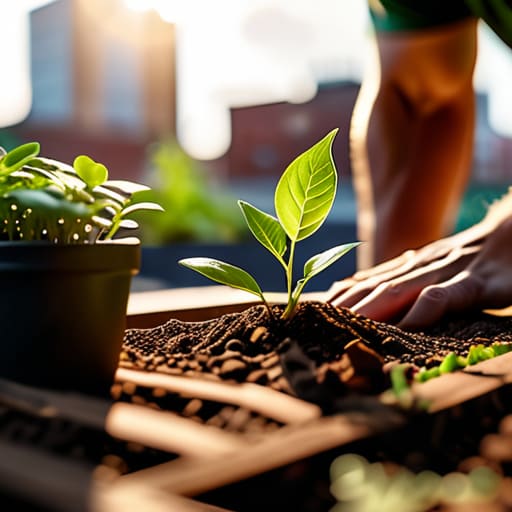
I’ve always found that the way we communicate at work is a lot like tending to an urban garden; you can’t just plant seeds and walk away. You have to nurture the soil, pay attention to the subtle shifts in the environment, and respond to what’s actually growing. In a professional setting, honing your interpersonal communication skills is exactly that—it’s about more than just exchanging emails or attending Zoom calls. It’s about creating a space where people feel truly heard. I remember early in my startup days, I thought being “efficient” meant being brief, but I quickly learned that skipping the human connection actually created more friction in the long run.
When we approach our interactions with intention, we move beyond mere information exchange and into the realm of true collaboration. This involves active listening and being mindful of both verbal and non-verbal cues. By integrating these practices, you aren’t just being polite; you are practicing a form of relational mindfulness that strengthens your professional bonds. When we communicate with clarity and empathy, we build a foundation of trust that makes even the most complex projects feel much more manageable and significantly less draining.
Digital Boundaries and Mindful Presence: My Top 5 Soft Skill Hacks
- Protect your focus by mastering the art of “Digital Boundaries.” In our hyper-connected world, being able to communicate when you are deep in a flow state—and when you are truly available—is a superpower. It’s not just about being productive; it’s about respecting your own mental bandwidth so you don’t burn out by 3 PM.
- Practice “Adaptive Resilience” when tech fails or projects pivot. I’ve learned from my startup days that things rarely go according to plan. Instead of spiraling when a tool glitches or a deadline shifts, try to view it as a data point. Staying calm under pressure keeps your nervous system regulated and your decision-making sharp.
- Level up your “Empathetic Leadership,” even if you aren’t a manager. This means reading the room (or the Slack thread) and recognizing when a teammate might be struggling. A little bit of emotional awareness goes a long way in building a culture where everyone feels seen, which is the ultimate productivity hack.
- Cultivate “Intentional Feedback Loops.” Rather than fearing critique, approach it with the same curiosity I use when testing a new smoothie recipe. Ask for feedback early and often, and give it with kindness. It turns potentially awkward confrontations into collaborative growth sessions that actually move the needle.
- Master “Time-Blocking with Grace.” We often talk about productivity tools, but the soft skill is the discipline to use them. Use your tech to schedule not just your meetings, but your “recovery blocks”—short windows for stretching or a quick breathing exercise. If you don’t schedule your self-care, your work will eventually schedule it for you via burnout.
Finding Your Flow: Bringing Soft Skills into Harmony
Think of emotional intelligence not as a corporate buzzword, but as a way to protect your mental energy and maintain a sense of calm amidst the daily hustle.
Treat communication like a recipe; it requires the right balance of active listening and clear expression to create a workspace that feels nourishing rather than draining.
Remember that mastering these human-centric skills is an investment in your long-term well-being, allowing you to stay productive without sacrificing your peace of mind.
The Human Element in a Digital World
“In an era where we’re constantly optimizing our workflows with the latest tech, we can’t forget that our most powerful operating system is actually our ability to connect, empathize, and communicate with the humans sitting right next to us.”
Olivia Peterson
Finding Your Flow: The Path Forward
As we wrap up this deep dive, I want you to take a second to breathe and realize that mastering soft skills isn’t just about checking boxes on a performance review. It’s about the intentionality we bring to our interactions—whether that’s using emotional intelligence to navigate a tense meeting or leveraging clear, empathetic communication to build a bridge with a teammate. Just like I tend to my urban garden, these skills require consistent, gentle nurturing to truly flourish. When we prioritize these human-centric abilities, we aren’t just becoming better employees; we are creating a sustainable ecosystem of respect and efficiency that protects our mental energy and fuels our professional growth.
Ultimately, my wish for you is that you view your professional development through the lens of holistic well-being. Don’t see these skills as extra tasks on an already overflowing digital calendar, but rather as the very tools that will allow you to work smarter, not harder, while staying true to yourself. When you align your technical prowess with a high level of emotional awareness, you unlock a version of productivity that feels less like a grind and more like a graceful, purposeful flow. You’ve got this—embrace the journey, trust your intuition, and remember that the most powerful technology you will ever use is your own wonderful, human heart.
Frequently Asked Questions
How can I practice these soft skills without feeling like I'm constantly "on" and draining my mental battery?
I totally get this—the “always on” burnout is real. To protect your energy, think of soft skills like my urban garden: they need intentional tending, not constant hovering. Instead of performing, try “micro-dosing” these skills. Practice active listening in one meeting, then retreat to a quiet corner for five minutes of tech-free breathing. By setting these small, mindful boundaries, you’re not just being “professional”; you’re sustaining your battery so you can show up authentically.
Can tech tools or productivity apps actually help me improve my emotional intelligence, or are they just distractions?
It’s such a valid concern! I used to think my phone was just a distraction machine, but there’s a middle ground. When used intentionally, tech can actually be a mirror for our emotions. I love using mood-tracking apps or meditation tools to spot patterns in my stress levels before they boil over. It’s not about replacing human connection, but about using data to build the self-awareness needed to show up more authentically in those connections.
How do I maintain my personal boundaries and self-care routines while still being a highly collaborative and communicative team player?
It’s a delicate dance, isn’t it? I used to think being a “team player” meant being available 24/7, but that’s a fast track to burnout. I’ve found that setting clear boundaries actually makes me a better collaborator. Use tech to your advantage—set “Do Not Disturb” windows for deep work or your evening wind-down. When you communicate these boundaries upfront with empathy, people respect your time, and you show up more energized and present for the team.