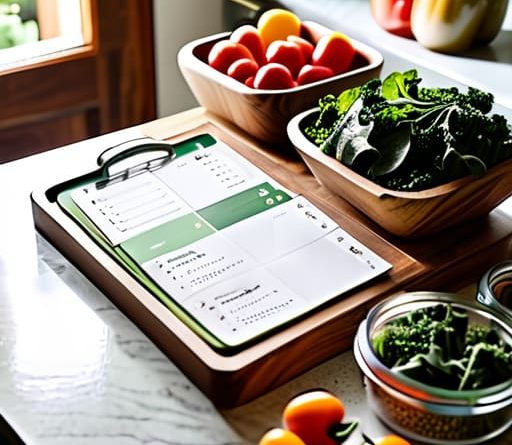
How to Meal Plan and Stop Wondering What’s for Dinner
I remember standing in my kitchen last Tuesday, staring blankly into a fridge that contained nothing but a wilted bunch of kale from my garden and a half-empty jar of turmeric paste, feeling that familiar, heavy wave of decision fatigue. We’ve all been there—it’s 6:30 PM, your brain is fried from a day of back-to-back meetings, and the thought of figuring out how to meal plan feels less like “wellness” and more like a second full-time job. Most gurus will tell you that you need to spend your entire Sunday in a flour-dusted trance, prepping twenty identical Tupperware containers of bland chicken and broccoli, but honestly? That is a recipe for burnout, not balance.
I’m not here to sell you on a rigid, soul-crushing regime that ignores the beautiful chaos of real life. Instead, I want to show you how to leverage a little bit of smart tech and some mindful habits to create a system that actually works with your schedule, not against it. We’re going to dive into a realistic, frictionless approach to nourishment that prioritizes your mental energy just as much as your macros. Let’s reclaim your evenings and turn mealtime from a stressful chore into a moment of genuine self-care.
Table of Contents
Simplifying Success With Meal Prep for Beginners
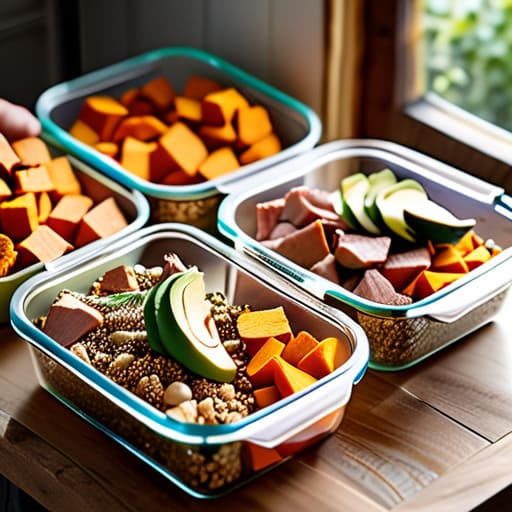
If you’re feeling overwhelmed by the idea of spending your entire Sunday in the kitchen, I want you to take a deep breath. I’ve been there—staring at a fridge full of random ingredients, feeling like I had nothing to eat. The secret isn’t about becoming a gourmet chef overnight; it’s about implementing batch cooking strategies that work for your specific lifestyle. Instead of trying to cook five different complex recipes, try prepping large portions of versatile staples like roasted sweet potatoes, quinoa, or grilled chicken. This way, you aren’t just making one meal; you’re building a toolkit of ingredients that can be transformed into different dishes throughout the week.
I’ve found that the most sustainable way to start is by focusing on time saving meal prep hacks that actually reduce your cognitive load. For instance, I love using my favorite grocery app to sync my list with my digital calendar, ensuring I only buy what I need for my planned meals. This keeps things budget friendly meal planning at its core, preventing that mid-week impulse buy at the supermarket. Start small, be kind to yourself, and remember that progress is much more important than perfection.
Budget Friendly Meal Planning for Mindful Living
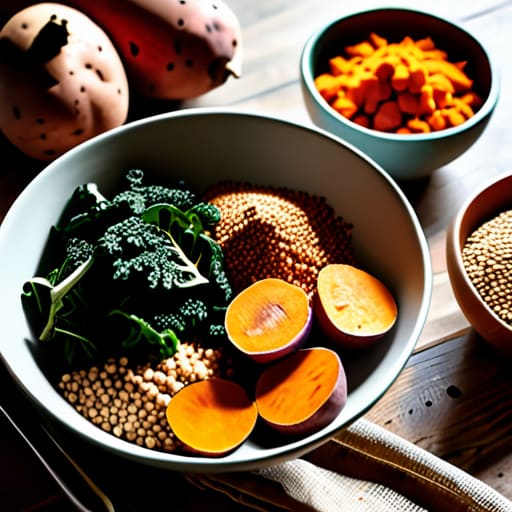
Let’s be real for a second: sometimes the biggest barrier to staying on track isn’t a lack of willpower, but a shrinking bank account. I’ve been there, staring at a grocery receipt and wondering how I managed to spend a small fortune on just a few bags of produce. The secret to staying nourished without breaking the bank lies in budget friendly meal planning that prioritizes versatility. Instead of buying specialized ingredients for one-off recipes, I love focusing on “hero ingredients”—like a big bag of quinoa or a hearty sack of sweet potatoes—that can be pivoted into different dishes throughout the week.
To make this even smoother, I’ve started leaning heavily on batch cooking strategies. On a Sunday afternoon, I might roast two trays of seasonal veggies and cook a large pot of lentils. These become the building blocks for a Mediterranean bowl on Monday and a cozy veggie stew on Wednesday. By utilizing these components, you’re not just saving money; you’re practicing a form of intentional living that reduces decision fatigue and keeps your kitchen running like a well-oiled machine.
My Secret Sauce: 5 Ways to Make Meal Planning Actually Stick
- Audit your digital pantry before you shop. I love using a shared grocery app with my partner so we can add ingredients in real-time; it prevents that “do we have turmeric?” panic and stops us from double-buying things we already have tucked away in the back of the cupboard.
- Embrace the “Cook Once, Eat Twice” philosophy. You don’t need to spend your entire Sunday in the kitchen! If you’re roasting sweet potatoes for a grain bowl on Monday, toss an extra tray in the oven to use for a quick breakfast hash on Wednesday.
- Build a “Formula Menu” to combat decision fatigue. Instead of staring blankly at the fridge, I rely on templates: a base of leafy greens + a complex carb + a lean protein + a healthy fat. It takes the guesswork out of nutrition and keeps my brain from spiraling when I’m tired after a long day of coding.
- Don’t forget the “buffer meals.” Life happens—sometimes a meeting runs late or your urban garden needs more attention than expected. Always keep a few high-quality, frozen, or pantry-stable options on hand so you don’t default to expensive, processed takeout when your plan goes sideways.
- Use tech to automate your inspiration. I have a dedicated folder in my notes app for “flavor combos” that I stumble upon while scrolling through food blogs. Having a digital library of ideas means you’re never starting from zero when you’re sitting down to map out your week.
Finding Your Flow: My Top Three Takeaways
Think of meal planning as a tool for freedom, not a rigid set of rules; use it to reclaim your time so you can focus on what actually nourishes your soul.
Leverage your tech stack—whether it’s a shared grocery app or a smart kitchen timer—to take the mental load off your plate and reduce decision fatigue.
Start small and stay kind to yourself; even if you only prep one batch of roasted veggies or a single nutrient-dense smoothie, you’re building a sustainable rhythm for long-term wellness.
Finding Your Flow
“Meal planning isn’t about rigid rules or perfectly aesthetic Tupperware containers; it’s about using a little bit of strategy to reclaim your time, so you can nourish your body without losing your peace of mind.”
Olivia Peterson
Finding Your Flow
As we wrap this up, I want you to take a second to breathe and realize that meal planning isn’t about achieving some impossible standard of perfection. We’ve talked about how to dive in without feeling overwhelmed, how to keep your budget in check so you aren’t stressing over every grocery run, and how to use the right tools to make it all stick. Whether you’re using a high-tech app to sync your pantry list or just jotting down a few ideas on a napkin, the goal is the same: to create a system that serves you, rather than one that feels like another chore on your endless to-do list. Remember, even a small win—like prepping just two days of lunches—is a massive step toward reclaiming your time and energy.
At the end of the day, this journey is about so much more than just what’s on your plate; it’s about how you show up for yourself. When we nourish our bodies with intention and use technology to clear the mental clutter, we create the space necessary for true self-care to flourish. Don’t be afraid to experiment, maybe even toss some unexpected dandelion greens into a smoothie just for the fun of it! Trust your intuition, stay flexible when life inevitably gets messy, and remember that every mindful choice is a way of honoring your own well-being. You’ve totally got this!
Frequently Asked Questions
How can I use meal planning to actually improve my focus and productivity during the workday rather than just saving time?
Think of meal planning as a way to protect your “decision fatigue” budget. We only have so much mental energy each day, and if you’re spending it all by 12:00 PM debating whether to order takeout or scramble for a snack, your afternoon focus is toast. By automating your nutrition, you free up that cognitive bandwidth for deep work. Plus, pairing stable blood sugar with nutrient-dense lunches means no more dreaded 3:00 PM energy crashes!
Are there any specific apps or tech tools you recommend for syncing my grocery lists with my digital calendar?
Oh, I love this question! Since I spend half my life jumping between my garden and my startup, I’m obsessed with anything that reduces mental clutter. I personally swear by AnyList; it’s a lifesaver for sharing lists with family and it syncs beautifully. For the calendar side of things, I usually bridge the gap using Notion or even just Google Calendar with task integrations. It’s all about letting the tech handle the logistics so your brain can stay present!
I struggle with feeling "stuck" in a food rut—how do I keep my meal plan exciting without it becoming a huge, overwhelming chore?
Ugh, I have been there! That “food rut” feeling is so real. To keep things fresh without the burnout, I love the “Component Prep” method. Instead of prepping full meals, prep versatile building blocks—like a big batch of roasted veggies, a protein, and a grain. Then, use a meal-planning app to rotate different sauces or spices throughout the week. It’s like a culinary remix; you get new flavors every night without starting from scratch!