
Mindful Eating: How to Enjoy Food and Feel Better
I was sitting at my desk last Tuesday, staring at a glowing screen while mindlessly shoveling a lukewarm kale and turmeric smoothie into my mouth, when it hit me: I had absolutely no idea what I was even tasting. My brain was stuck in a high-speed loop of coding bugs and app deployment schedules, leaving my body to fend for itself. We’ve been sold this idea that mindful eating requires expensive crystals, silent retreats, or a complete overhaul of our digital lives, but honestly? That’s just more noise in an already loud world. It’s not about achieving some Zen-like perfection every time you pick up a fork; it’s about reclaiming a tiny sliver of presence in the middle of our beautiful, chaotic productivity.
I’m not here to give you a lecture on spiritual enlightenment or tell you to throw your smartphone in a lake. Instead, I want to share how I use a few simple, tech-integrated tweaks to bring more intention to my meals without slowing down my professional momentum. I’ll be sharing the real-world strategies I use to bridge the gap between a high-efficiency lifestyle and genuine nourishment. Let’s dive into how we can make eating a moment of connection rather than just another task on your to-do list.
Table of Contents
Mastering Sensory Eating Techniques for Deep Satisfaction

To really dive into this, we need to move beyond just “noticing” our food and start engaging our senses like we’re critics at a five-star restaurant. I call this my “sensory audit.” Before you even take a bite, I want you to look at the colors on your plate. Is that kale a vibrant, deep emerald? Is the roasted sweet potato a warm, glowing orange? When I’m working in my garden, I’m hyper-aware of the textures of my herbs, and I try to bring that same energy to my kitchen table. By using these sensory eating techniques, you’re essentially training your brain to recognize the richness of your meal, which makes every bite feel more substantial.
Once you start, try to identify the subtle interplay of textures—the crunch of a radish against the creaminess of avocado, for instance. This level of focus is a game-changer for recognizing your hunger and fullness cues before you feel overstuffed. It’s not about restriction; it’s about making sure your brain actually registers that you’ve been nourished. When we slow down to truly experience the aroma and mouthfeel, we naturally move away from the mindless grazing that often leads to discomfort.
Tuning Into Your Natural Hunger and Fullness Cues
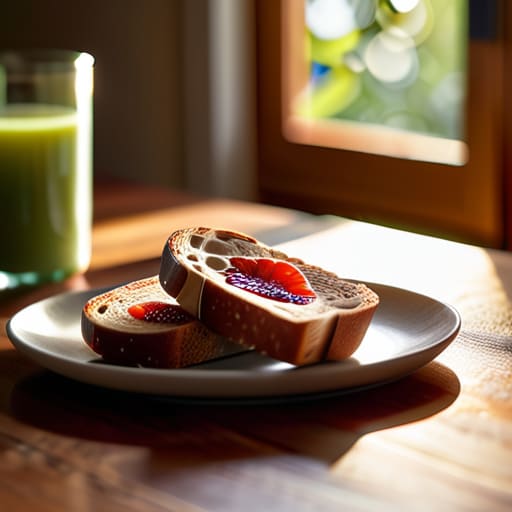
Ever had one of those days where you finish a whole bag of chips before you even realize you’ve started eating? I’ve been there—usually hunched over my laptop, deep in a coding sprint or responding to emails. In those moments, I’m completely disconnected from my body. To truly master this practice, we have to move beyond just how the food tastes and start listening to the internal signals our bodies are constantly sending us. Learning to recognize your hunger and fullness cues is like upgrading your body’s operating system; it allows you to respond to actual physiological needs rather than just reacting to external stimuli or stress.
It’s also about developing a deeper sense of emotional eating awareness. Sometimes, we reach for a snack not because our stomach is growling, but because we’re bored, stressed, or seeking a hit of dopamine. I like to pause and ask myself, “Am I actually hungry, or am I just looking for a distraction?” By creating a habit of distraction-free eating, we give ourselves the space to distinguish between physical hunger and emotional cravings, which is a total game-changer for long-term wellness.
Small Shifts for a More Intentional Plate
- Ditch the “doomscrolling” habit during lunch. I know, I know—it’s so tempting to catch up on notifications while we eat—but try setting your phone in another room for just fifteen minutes. When we stare at a screen, our brain misses the connection between our stomach and our satiety signals, leaving us feeling strangely empty even after a full meal.
- Create a “Digital Sunset” for your meals. Just like I use blue-light filters to wind down my tech usage, try creating a sensory boundary for your dining time. Turn off the TV and silence the laptop. By removing these high-stimulation distractions, you allow your nervous system to shift from “fight or flight” mode into “rest and digest,” which is where the real magic happens.
- Practice the “One-Spoon Rule” for multitasking. If you absolutely must be doing something else—like prepping for a meeting or tidying up—try to commit to just one spoonful or one bite at a time where you are doing nothing but tasting. It’s a tiny, low-pressure way to reintroduce presence into a chaotic schedule.
- Curate your environment like you curate your apps. We spend so much time optimizing our digital workspaces for productivity, but what about our physical eating space? Even if it’s just a small corner of your kitchen, make sure it feels calm. A little bit of greenery from my urban garden or even just a clean, uncluttered table can signal to your brain that it’s time to slow down.
- Use a “Check-In” timer. Since I live and breathe efficiency, I actually love using a gentle haptic nudge on my smartwatch to remind me to pause. Set a quiet vibration halfway through your meal to ask yourself, “How does this actually taste right now?” It’s a quick tech-assisted way to snap out of autopilot and back into your body.
Small Shifts for a More Mindful Plate
Start small by choosing just one meal a day to eat without your phone or laptop; giving your brain a break from digital stimulation allows you to actually connect with the flavors on your plate.
Keep a simple digital log or a quick note on your phone to track how different foods make you feel physically and emotionally, helping you bridge the gap between nutrition and intuition.
Don’t aim for perfection, aim for presence; if you find yourself rushing through lunch, just take three deep breaths before your first bite to reset your nervous system and signal to your body that it’s time to nourish.
Finding the Rhythm in Every Bite
“Mindful eating isn’t about perfection or following a strict set of rules; it’s about finally giving yourself permission to actually show up for your meals, turning a simple act of nourishment into a moment of genuine connection with yourself.”
Olivia Peterson
Finding Your Rhythm in Every Bite

As we wrap up this deep dive, I want you to remember that mindful eating isn’t about achieving some impossible standard of perfection; it’s about the small, intentional shifts. We’ve talked about how engaging your senses can turn a rushed lunch into a moment of pure joy, and how much more in control you’ll feel when you actually listen to your body’s internal cues rather than just following a clock or a calorie count. Whether you are using a sleek new app to track your meal timing or simply sitting quietly with a bowl of homegrown herbs and veggies, the goal is the same: to bridge the gap between your busy, high-tech life and the nourishing reality of the present moment.
I know life gets chaotic—believe me, my startup life can be a whirlwind—but please don’t view these practices as just another item on your never-ending to-do list. Instead, see them as your ultimate productivity hack for the soul. When you feed yourself with intention, you aren’t just fueling your muscles; you are cultivating the mental clarity and emotional resilience needed to tackle everything else the world throws at you. So, take a deep breath, put down the phone, and go enjoy something delicious. You’ve truly earned this moment of peace and connection.
Frequently Asked Questions
How can I practice mindful eating when I'm stuck in a back-to-back meeting schedule or eating at my desk?
I totally get it—some days my calendar looks like a Tetris game gone wrong. When I’m stuck at my desk, I use the “Three-Bite Reset.” For the first three bites, I step away from the screen, close my eyes, and actually focus on texture and temperature. It’s a tiny micro-meditation. If you can’t step away, try using a smaller plate or putting your phone face down. Even sixty seconds of intentionality makes a difference!
Does mindful eating mean I have to give up my favorite comfort foods or "guilty pleasures"?
Oh, absolutely not! Please, let’s banish the term “guilty pleasure” from our vocabulary right now. In my experience, labeling food as “bad” only creates a stressful cycle of restriction and bingeing. Mindful eating isn’t about deprivation; it’s about presence. If you want that decadent chocolate lava cake, go for it! Just slow down, savor every velvety bite, and actually enjoy it. When you eat with intention, even “comfort foods” become nourishing for your soul.
I find it hard to focus on my food without getting distracted by my phone; are there any tech-based tools or apps that actually help rather than hinder this?
I totally get it—the urge to scroll while eating is real! Since I live at the intersection of tech and wellness, I actually love this challenge. Instead of fighting your phone, try using “Focus Mode” on your iPhone or “Digital Wellbeing” on Android to silence everything during mealtime. I also swear by the Forest app; it gamifies staying off your phone, which makes reclaiming your lunch break feel like a win rather than a chore.