How to Cook Perfect Rice Every Single Time
I still remember the frantic energy of my early twenties, staring at a pot of gummy, overcooked grains while trying to juggle a coding deadline and a mountain of laundry. I used to think that mastering the kitchen required expensive, high-tech gadgets or some ancient, secret ritual that I just wasn’t “zen” enough to grasp. But honestly? Most of the “expert” advice out there is just unnecessary noise that makes a simple staple feel like a daunting chore. Learning how to cook rice perfectly shouldn’t feel like a science experiment gone wrong; it should be a seamless, nourishing part of your daily rhythm that actually gives you time back instead of stealing it.
I’m not here to sell you a $300 smart cooker or a complicated 12-step process that leaves your kitchen looking like a disaster zone. Instead, I want to share the streamlined, science-backed methods I’ve refined through years of nutritional study and, frankly, a lot of trial and error. We’re going to strip away the fluff and focus on the essential ratios and techniques that turn a humble bowl of grains into a foundation for a balanced meal. Let’s get into the real, no-nonsense way to get it right every single time.
Table of Contents
Mindful Rinsing the Secret to Rinsing White Rice
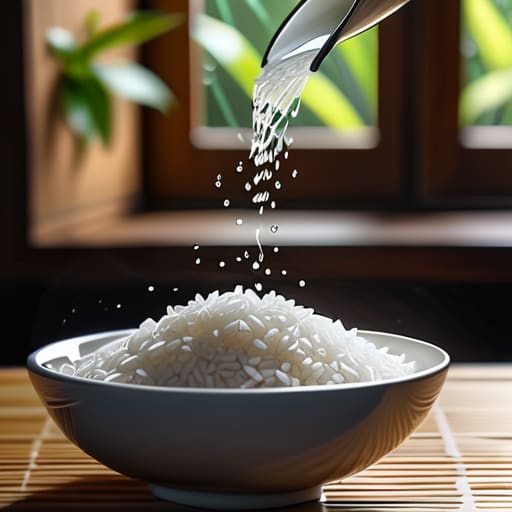
Before you even think about turning on the stove or hitting the start button on your favorite gadget, there is a tiny, meditative step that most people completely overlook: the rinse. I used to rush through this part, treating it like a chore, until I realized that rinsing white rice is actually the most important way to ensure your grains stay distinct and fluffy. When we wash the rice, we aren’t just cleaning it; we are removing the excess surface starch that acts like a sticky glue during the cooking process.
I like to think of this as a quick moment of grounding before the hustle of meal prep begins. Place your grains in a fine-mesh sieve and run cool water over them, swirling your fingers through the grains gently. You’ll notice the water starts out milky and opaque, but you want to keep going until it runs clear. This simple habit is my absolute favorite trick for avoiding mushy rice, ensuring that every single grain maintains its integrity and texture. It’s a small investment of time that makes a world of difference for your final dish.
Finding Balance With the Ideal Rice to Water Ratio
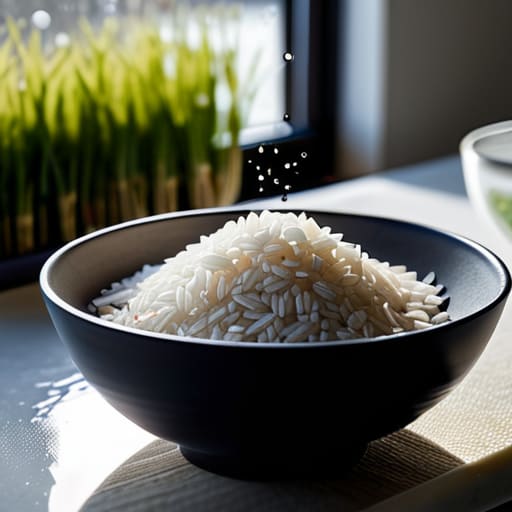
Once you’ve mastered the art of rinsing, it’s time to tackle the part that used to stress me out during my startup’s busiest launch weeks: the math. Getting the rice to water ratio exactly right is the difference between a fluffy, fragrant side dish and a bowl of gummy disappointment. I used to think more water meant more safety, but I quickly learned that avoiding mushy rice requires a bit more precision. For standard long-grain white rice, a 1:2 ratio is your reliable baseline, but I’ve found that even a slight adjustment can completely transform the texture depending on your pot type.
If you’re feeling a bit more adventurous—or perhaps just craving something heartier—keep in mind that whole grains like brown rice require a different rhythm. Because of their outer bran layer, the brown rice cooking time is significantly longer, and you’ll likely need to bump up your water levels to ensure they soften beautifully. Whether you’re using a traditional stovetop or experimenting with the best rice cooker settings to automate your morning, treat this step as a moment to calibrate your senses. It’s all about finding that sweet spot where nourishment meets perfection.
The Final Flourish: 5 Pro-Tips for Fluffy, Soul-Sustaining Rice
- Resist the urge to peek! I know it’s tempting to lift the lid when you smell that amazing aroma, but letting the rice steam undisturbed is crucial. Think of it as a mini-meditation for your grains; giving them that quiet time to finish cooking ensures every kernel is perfectly tender rather than mushy.
- Embrace the “Resting Period” ritual. Once the timer goes off, don’t rush to the plate. Let the pot sit, lid on, for about 10 minutes. This allows the moisture to redistribute evenly, a little trick I learned that makes a world of difference in texture—it’s like giving your food a moment to breathe before you enjoy it.
- Use a fork, not a spoon, to fluff. When you’re ready to serve, gently lift and separate the grains with a fork. Using a heavy spoon can smash the delicate structure we worked so hard to achieve, and we want those grains to be light and airy, not a compact block.
- Level up your flavor profile with a dash of tech-inspired precision. Instead of just plain water, try using a high-quality bone broth or even infusing your cooking liquid with a piece of star anise or a bay leaf. It’s a tiny, efficient way to turn a simple staple into a gourmet experience without adding extra time to your routine.
- Don’t fear the “Crispy Bottom” (the Tahdig vibe!). If you like a bit of texture, let the rice sit on the heat for an extra minute or two after the water is absorbed. That golden, slightly crunchy layer at the bottom adds a wonderful sensory element to your meal that feels like a little reward for your culinary efforts.
Small Rituals for Big Results
Precision is your friend; whether you’re using a digital kitchen scale or a classic measuring cup, consistency in your water-to-rice ratio is the foundation of a reliable, nourishing meal.
Don’t rush the process; allowing the rice to rest after the heat is off is a beautiful moment to step away from your screens and practice a few breaths of mindfulness.
Trust your senses over a strict timer; learning to recognize the subtle shift from steaming to a gentle, fragrant aroma helps you connect more deeply with the food you’re preparing.
The Ritual in the Grain
“Cooking the perfect bowl of rice isn’t just about hitting a specific ratio on a timer; it’s about leaning into the process—the rhythmic rinsing, the patient steam, and the quiet realization that even the simplest kitchen tasks can be a beautiful, grounding ritual in our high-speed digital lives.”
Olivia Peterson
Bringing It All Together
As we wrap up our little kitchen experiment, remember that mastering perfect rice is really about the small, intentional steps we take along the way. From that initial, meditative rinse that clears away excess starch to finding that perfectly balanced water ratio tailored to your specific grain, each step serves a purpose. It’s not just about avoiding a gummy mess or a crunchy disappointment; it’s about honoring the ingredients you’ve chosen and the time you’re taking to nourish yourself. When you get these fundamentals down, you aren’t just making a side dish—you are building a reliable foundation for a delicious, stress-free meal that supports your wellness goals.
At the end of the day, I hope you view cooking not as another chore on your digital to-do list, but as a much-needed moment of pause in an otherwise hectic schedule. Whether you’re pairing your fluffy jasmine rice with a vibrant, turmeric-infused curry or just using it as a simple base for your garden-fresh veggies, let it be a celebration of balance. Life can get incredibly loud and fast-paced, but there is so much peace to be found in the rhythmic steam of a pot and the simple joy of a home-cooked meal. Go ahead, grab your rice cooker, and embrace the ritual of feeding your body well.
Frequently Asked Questions
Does it actually matter if I use brown rice instead of white, or will I need to totally overhaul my water ratios and timing?
Switching to brown rice is a wonderful way to add more fiber and nutrients to your routine, but it does require a bit of a “tech update” to your cooking method! Since brown rice still has its bran layer intact, it needs more hydration and patience. You’ll want to increase your water ratio slightly and extend the simmering time—think of it as a longer, slower ritual of nourishment compared to the quick sprint of white rice.
I sometimes end up with rice that's a bit too mushy—is there a way to use tech, like a rice cooker, to take the guesswork out of it?
Oh, I have been there! There is nothing more frustrating than looking forward to a nourishing meal only to find a bowl of mushy rice. Honestly, if you’re juggling a busy startup life like I am, a high-quality rice cooker is a total game-changer. It’s like having a tiny, reliable sous-chef in your kitchen. I love using one because it removes the mental load of monitoring the stove, letting you focus on your mindfulness practice instead!
Can I add flavor enhancers like coconut milk or vegetable broth during the cooking process without ruining the texture?
Oh, I love this question! It’s like adding a little bit of soul to your meal. You can absolutely swap water for vegetable broth or even use coconut milk to level up the flavor profile. Just keep an eye on the liquid volume; coconut milk is richer, so I usually use a bit less to ensure the rice doesn’t get too mushy. It’s such a simple way to turn a basic staple into a nourishing, flavorful ritual.